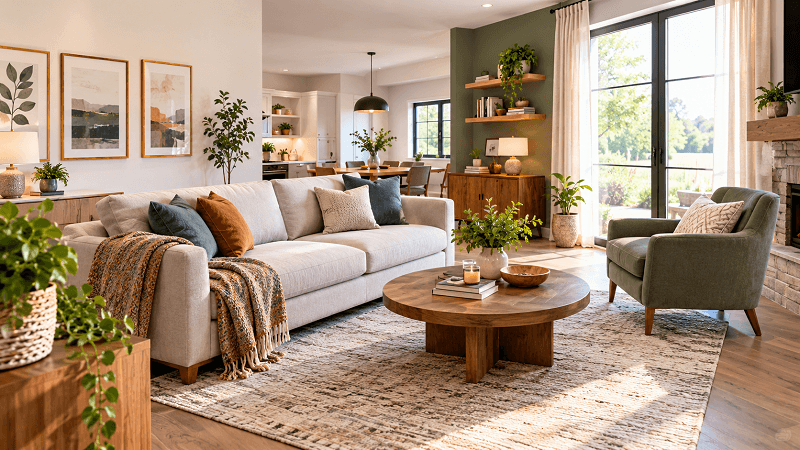
Creating a beautiful home is about much more than choosing attractive furniture or following the latest decorating trends. A successful interior should feel comfortable, work well for everyday activities, reflect the people who live there, and remain practical over time. Whether you are furnishing a new property, renovating an older home, or simply refreshing one room, thoughtful planning can make a significant difference.
DrHomey interior design focuses on this balanced approach by combining visual appeal with functionality. Instead of treating design as a collection of decorative choices, homeowners can look at the entire space as a connected environment where layout, lighting, colors, furniture, storage, and materials all work together.
This guide explains the key principles that can help you plan and improve your home’s interior, from the initial idea to the final decorative details.
Start With the Purpose of Each Room
Before purchasing furniture, paint, lighting, or accessories, determine how each room will actually be used. The purpose of a space should influence almost every design decision.
For example, a living room used primarily for family gatherings may need comfortable seating, open circulation areas, and flexible lighting. A home office may require a suitable desk, ergonomic seating, organized storage, and enough light for working. A bedroom, on the other hand, should generally prioritize comfort, privacy, and a relaxing atmosphere.
Write down the main activities that will take place in each room. Consider who uses the space, how frequently it is used, and what practical problems currently exist. This simple planning step can prevent expensive purchases that look good but do not suit your lifestyle.
Create a Functional Furniture Layout
Furniture arrangement has a major impact on how a room feels. Even expensive furniture can make a room uncomfortable if it blocks movement or creates awkward spaces.
Begin by measuring the room, including doors, windows, built-in features, and important electrical points. Then consider where the largest pieces of furniture should go. In a living room, for example, the sofa may become the starting point for arranging chairs, tables, and entertainment equipment.
Leave enough space for people to walk comfortably between furniture pieces. Avoid placing too many large items in a small room simply because they look attractive individually.
A useful layout should create natural pathways while maintaining enough seating and usable surface area. Furniture does not necessarily need to be pushed against every wall. Depending on the room, bringing selected pieces slightly inward can create a more balanced and welcoming arrangement.
Choose a Practical Color Scheme
Color can completely change the appearance and atmosphere of an interior. However, choosing colors randomly can make different areas of a home feel disconnected.
Start with a basic color palette consisting of a dominant color, supporting shades, and one or two accent colors. Neutral colors such as white, beige, gray, cream, and soft earth tones can provide a flexible foundation. Stronger colors can then be introduced through furniture, artwork, cushions, rugs, curtains, or selected walls.
Think about natural light before choosing a color. A room receiving limited sunlight may benefit from lighter shades that help maintain a brighter appearance. A room with abundant daylight can accommodate deeper or warmer colors more easily.
The goal is not to use the same color everywhere. Instead, colors throughout the home should feel visually compatible.
Make Natural Light Part of the Design
Natural light is one of the most valuable features in any home. It can make rooms appear larger, improve their atmosphere, and reduce the need for artificial lighting during the day.
Keep windows as unobstructed as practical. Choose curtains or blinds that provide privacy while still allowing daylight to enter when appropriate. Mirrors can also help distribute light around a room when positioned carefully.
Pay attention to how sunlight moves throughout the day. A room that receives strong morning light may feel completely different from one that receives afternoon sunlight. Understanding this pattern can help you choose suitable furniture placement, window treatments, and colors.
Plan Artificial Lighting in Layers
Good interior lighting should not depend on a single ceiling fixture. Different activities require different levels and types of illumination.
A layered lighting plan can include:
- Ambient lighting: General illumination for the entire room.
- Task lighting: Focused light for reading, cooking, working, or other activities.
- Accent lighting: Decorative or focused lighting that highlights artwork, architectural features, shelves, or other details.
In a kitchen, for instance, ceiling lights may provide general illumination while under-cabinet lights make countertops easier to use. In a bedroom, bedside lamps can provide comfortable reading light without requiring bright overhead lighting.
Whenever possible, use separate controls for different lighting layers. This gives you greater flexibility and allows the atmosphere to change depending on the time of day or activity.
Select Materials According to Lifestyle
Beautiful materials are not automatically practical materials. When selecting flooring, countertops, furniture fabrics, cabinets, and other finishes, consider how much wear they will receive.
A busy family home may require durable, easy-to-clean surfaces. Homes with children or pets may benefit from materials that can tolerate frequent use and cleaning. In less frequently used rooms, aesthetic considerations may have more flexibility.
Think about maintenance before making a purchase. Ask how easily a surface can be cleaned, whether it is likely to scratch, and whether replacement parts or repairs will be readily available.
This approach can help prevent a situation where a visually impressive material becomes a daily inconvenience.
Use Storage Without Sacrificing Style
Clutter can quickly make even a well-designed room feel uncomfortable. Effective storage is therefore an important part of interior planning.
Use a combination of open and closed storage. Cabinets and drawers can hide everyday items, while shelves can display books, artwork, plants, or decorative objects.
In smaller homes, look for opportunities to use vertical space. Tall cabinets, wall-mounted shelves, storage benches, and furniture with built-in compartments can increase storage without taking up excessive floor area.
However, avoid filling every available space with storage furniture. Leave some visual breathing room so the room does not feel crowded.
Add Texture for Visual Interest
A room can have a carefully selected color palette and still appear flat. Texture helps introduce depth and character.
Consider combining different materials and surfaces, such as wood, glass, metal, fabric, stone, woven materials, and ceramics. Soft curtains can contrast with a solid coffee table, while a textured rug can add warmth beneath smooth flooring.
Textiles are particularly useful because they can be changed relatively easily. Cushions, blankets, rugs, and curtains can introduce seasonal changes without requiring a complete redesign.
The objective is balance rather than using as many textures as possible.
Choose Décor With Intention
Decorative objects should support the overall design rather than simply fill empty surfaces. Artwork, plants, mirrors, books, vases, photographs, and other accessories can add personality when selected thoughtfully.
Instead of placing numerous small objects everywhere, consider creating a few stronger visual groupings. For example, a console table might feature a mirror above it, a small lamp, and a carefully arranged selection of decorative pieces.
Personal items are especially valuable because they make a home feel individual rather than like a showroom.
Consider Scale and Proportion
One common interior design mistake is choosing items based only on their appearance without considering their size.
A very small rug may look disconnected from a large seating arrangement. A huge pendant light may overwhelm a compact dining area. Similarly, oversized furniture can make a small bedroom difficult to navigate.
Before buying an item, compare its dimensions with the room and surrounding furniture. Use measurements rather than relying solely on visual impressions.
Maintaining appropriate proportions creates a more comfortable and organized appearance.
Connect Interior and Exterior Spaces
Interior design should not always be considered separately from the home’s exterior. The entrance, porch, patio, garden, and other outdoor areas can influence the overall character of the property.
Try to create some visual relationship between indoor and outdoor spaces through complementary colors, materials, furniture styles, or plants. Large windows and glass doors can also strengthen the connection by allowing outdoor views to become part of the interior experience.
This approach can make the home feel more cohesive from the entrance through to outdoor living areas.
Design According to Your Budget
A good interior does not require unlimited spending. Budget planning allows you to decide where your money will have the greatest impact.
Start by identifying essential improvements. Structural repairs, electrical work, plumbing, flooring problems, and other functional issues should generally be addressed before purely decorative upgrades.
After essential work is complete, divide the remaining budget between major furniture, lighting, finishes, and accessories. Consider investing more in items that receive heavy daily use, while choosing affordable alternatives for easily replaceable decorative pieces.
It is also worth completing a room gradually rather than purchasing everything at once. Living with a space for a while can reveal what it actually needs.
Keep Trends in Perspective
Interior trends can provide inspiration, but they should not control every decision. A style that is popular today may look dated after a few years.
Instead of rebuilding an entire room around a temporary trend, consider incorporating current styles through easily replaceable elements such as cushions, artwork, accessories, or paint.
The foundation of your home should reflect your personal preferences, lifestyle, and practical needs. DrHomey interior design encourages homeowners to consider ideas carefully and adapt them to their own circumstances rather than copying a design without modification.
A Simple Step-by-Step Design Process
If you are unsure where to begin, follow a straightforward process:
- Assess the space: Measure the room and identify existing problems.
- Define its purpose: Decide how the room will be used.
- Set a budget: Establish what you can realistically spend.
- Create a color palette: Choose complementary base and accent colors.
- Plan the layout: Position major furniture and maintain clear pathways.
- Improve lighting: Combine natural, ambient, task, and accent lighting.
- Choose materials: Prioritize durability and maintenance requirements.
- Add storage: Reduce clutter while preserving useful floor space.
- Introduce texture: Combine different materials and textiles.
- Personalize the room: Add artwork, photographs, plants, and meaningful objects.
- Review the result: Live with the space and make adjustments where necessary.
Final Thoughts
A successful home interior is not simply the result of expensive furniture or fashionable decorations. It comes from understanding the space, planning carefully, choosing suitable materials, and creating an environment that supports everyday life.
DrHomey interior design provides a useful way to think about these decisions as a complete process rather than a collection of isolated decorating choices. From furniture placement and lighting to color, storage, materials, and personal décor, every element can contribute to a more comfortable and functional home.
The best approach is to take your time, understand your own requirements, and make decisions that will continue to work for you over the long term. With thoughtful planning and a balance between practicality and personality, even simple changes can transform the way a home looks and feels.